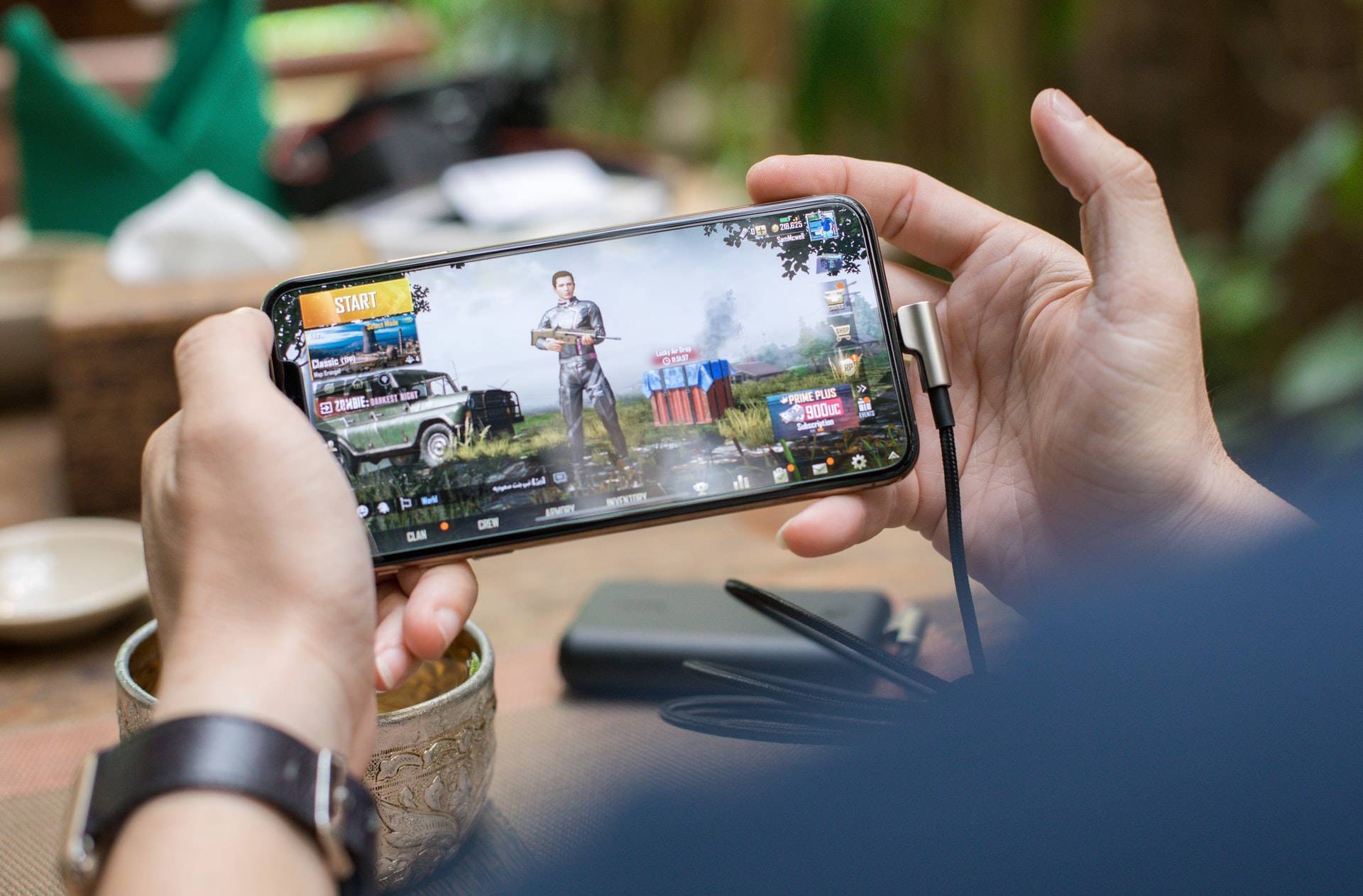


Going global is a major milestone for mobile game developers. More importantly, it should feel like a victory lap. But for some titles, it’s where things start to fall apart. Rewards get scaled back, monetization becomes more aggressive, and updates no longer match the quality or pace of their original versions. As a result, plenty of games lose their shine once they reach an international audience. In this gallery, we’re taking a look at mobile games that didn’t just change after going global — they changed for the worse.
15 Mobile Games That Changed for the Worse After Going Global
It's a shame some of these never reached their full potential...

15. Persona 5: The Phantom X
When this highly anticipated spin-off finally launched globally, excitement quickly turned into frustration. Players noticed that the global version of Persona 5: The Phantom X handed out fewer rewards, less premium currency, and worse login bonuses compared to the Chinese version. On top of that, the accelerated update schedule made it harder to save resources, pushing players toward spending. The backlash was immediate, with review scores tanking as players accused the devs of treating global users as second-class citizens.
(Image Credit: Sega)

14. Lord of Nazarick
The global release version of Lord of Nazarick significantly altered the monetization system in a way that made it unrecognizable from the pre-release version. Free characters were hidden behind a paywall, reward systems were wildly nerfed, and premium subscriptions were introduced. Many players felt the game had transformed into a cash grab due to its aggressive monetization.
(Image Credit: Crunchyroll)

13. SINoALICE
The global version of SINoALICE struggled to maintain the same level of quality as its Japanese counterpart. There were warning signs that this may be a persistent issue, as the global version struggled with its worldwide launch. Following that, updates arrived more slowly, rewards felt less generous, and the limited-time events often left players dissatisfied. Over time, these differences created a sense that global players were receiving a less enjoyable experience than the Japanese version. If you ask us, it's all a shame as SINoALICE had a unique style and storytelling. The game's global servers were shut down in January 2024.
(Image Credit: Pokelabo)

12. Goddess of Victory: Nikke
While controversial from the very beginning of the game's inception due to its risky jiggle physics, things escalated when the Chinese version of Goddess of Victory: Nikke was released with several quality-of-life improvements missing from the global version. Players were furious that fixes they’d been requesting for months were given to another region first, which eventually led to community outrage and players review bombing.
(Image Credit: Shift Up / Level Infinite)

11. Tears of Themis
Tears of Themis built a strong following right from the get-go, but its global version faced criticism for lagging behind the Chinese release. Improvements and system adjustments often arrived late, which left global players stuck with outdated mechanics for some time. This disparity made progression feel less polished and more frustrating. Despite early issues, the game remains active today, although these issues certainly had an impact on the game reaching its full potential.
(Image Credit: HoYoverse)

10. Kingsense
Kingsense had a rather disastrous global launch in North America and Europe, plagued by various tech issues. That resulted in the servers being rolled back, wiping out many players' progress. Once that was resolved, it was clear that the global version's monetization system had become more aggressive, bugs had persisted, and communication from the developers was rather inconsistent. As frustration grew, the futuristic RPG was officially shut down in late 2021 — only six months after its official launch.
(Image Credit: Superprism Technology Co.)

9. Artery Gear: Fusion
Artery Gear: Fusion initially launched globally with a huge amount of promise, but the game quickly ran into issues with translation quality, its grind-heavy systems, and its monetization system. Compared to its original release, the global version of the turn-based gacha game felt less polished and more demanding. Players struggled to stay engaged as updates failed to address core problems. This decline in engagement ultimately led to the Artery Gear: Fusion shutting down in late 2024.
(Image Credit: Access / bilibili)

8. Epic Seven
Epic Seven launched globally with a significant amount of hype, but early monetization decisions drew criticism from the community. Players pointed out that it was challenging to make any progress as the game encouraged spending more heavily than previously expected. Although the developers later made improvements, the initial backlash left a lasting impression on many.
(Image Credit: Smilegate)

7. One Piece Bounty Rush
Global players of One Piece Bounty Rush have long pointed out differences in balance and monetization compared to the Japanese version. Issues like hacking, matchmaking imbalance, and expensive premium systems were more noticeable in the global version. These problems have led many to believe that the global servers are less carefully managed — even to this day. Given the game's popularity, it feels like the developers should address this pressing matter with more urgency.
(Image Credit: Sega / Bandai Namco Entertainment)

6. Final Fantasy Brave Exvius
Final Fantasy Brave Exvius was an ambitious RPG whose global version had rather interesting approaches to how players progress and interact with the monetization system. While some were interesting, others increased power creep and made the game feel more pay-to-win. This resulted in global players often facing steeper challenges compared to players using the Japanese version. Over time, these differences reshaped the experience in ways that weren’t always well-received. Final Fantasy Brave Exvius's global version was discontinued in late 2024, while the Japanese version was shut down later in 2025.
(Image Credit: Alim / Square Enix)

5. Blade & Soul Revolution
The global version of Blade & Soul Revolution introduced key changes that increased how much players had to grind and how many rewards they received in return. Compared to the Korean release, the global version's progression felt much slower and, of course, less rewarding. The gap became extremely noticeable, and it ultimately hurt the game's long-term engagement. The martial arts MMORPG is still available to download today, but it's clear that it's not performing as well as it was touted to be.
(Image Credit: Netmarble)

4. Dislyte
Dislyte gained attention for its impressive art style and music, but early global updates caused backlash from its community. Reward reductions and increased grind made progression feel less rewarding for those who were willing to put in the time. Players voiced concerns about the direction of the game, and, to their credit, adjustments were later made by the developers. However, upon reflection, these challenges clearly hurt the game's momentum as it was on the way up.
(Image Credit: Lilith Games)

3. Marvel Future Revolution
The global launch of Marvel Future Revolution was met with excitement, but monetization systems quickly became a concern. Players felt that progression was too dependent on spending. Compared to earlier impressions, the global version felt more restrictive despite many praising its RPG gameplay and action sequences. In the end, these issues contributed to the game’s eventual shutdown. The game saw a reduction in the scale of service in 2022 (shortly after its launch in late 2021), which was then followed by a complete shutdown in mid-2023.
(Image Credit: Netmarble)

2. Dragon Quest Tact
Dragon Quest Tact faced several challenges in its global rollout, particularly with its pacing and content delivery. The global version lagged behind Japan and missed out on massive collaborations and updates. Players felt they were always playing catch-up without receiving equivalent rewards or excitement. This uneven experience contributed to declining engagement and reinforced the idea in the minds of many that the global version was not a priority for the developers. The global version of Dragon Quest Tact was eventually shut down in early 2024.
(Image Credit: Aiming Inc. / Square Enix)

1. Echoes of Mana
Square Enix’s Echoes of Mana struggled to find a footing globally despite the game's strong visuals and beloved IP. Players criticized its harsh gacha rates and lack of meaningful progression. There was quite a gap between the expectations set by earlier versions and the global release's somewhat shallow and overly monetized state. It didn't take long for interest to drop rapidly, and the game was shut down within a year of its global release in 2023.
(Image Credit: Square Enix)
Going global is a major milestone for mobile game developers. More importantly, it should feel like a victory lap. But for some titles, it’s where things start to fall apart. Rewards get scaled back, monetization becomes more aggressive, and updates no longer match the quality or pace of their original versions. As a result, plenty of games lose their shine once they reach an international audience. In this gallery, we’re taking a look at mobile games that didn’t just change after going global — they changed for the worse.