




Samsung's Galaxy S26 Ultra's new privacy display is something that every smartphone should have, especially Apple devices, as they have a premium price.
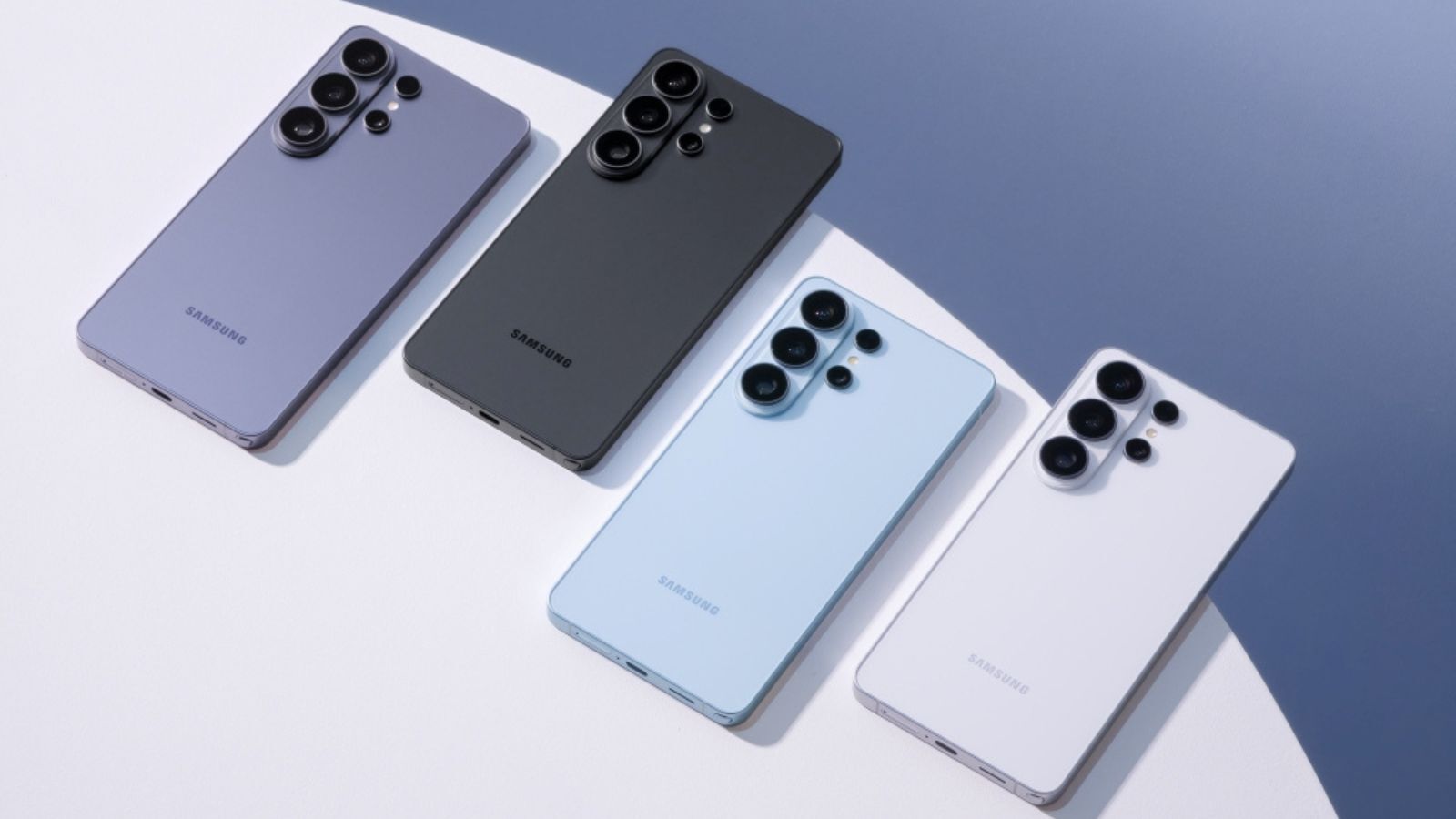
On Wednesday, February 25, Samsung concluded its Galaxy Unpacked 2026 event, giving us a first look at the Galaxy S26 series, the Galaxy Buds 4 and Buds 4 Pro, along with "AI, AI and more AI slop," with a handful of new features that actually matter and play a role in daily life.
As boring as it was to get through the entire event, focused more on AI and less on the devices, one of the standouts was definitely Samsung's world-first built-in Privacy Display for mobile phones.
Shoulder surfing is a big issue that users face on a day to day life, especially in public places. Some are intentional, most are not, but what remains common is that awkward feeling of someone watching and the urge to ensure they are not able to do that while you are using your mobile phone.
Samsung's Privacy Display offers flexible protection, that too, on a pixel level, with choices that suit the needs of different users. It counters shoulder surfing and such issues, and allows users to read their messages, emails, and such things without worrying about someone peeking.
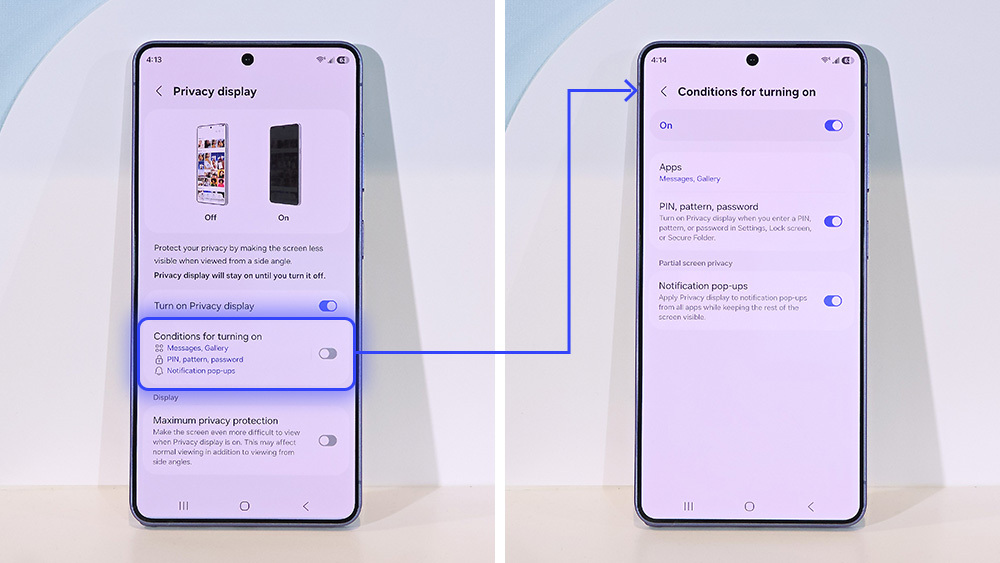
Here's what Samsung had to say about their new Privacy Display:
Not everyone needs the same level of privacy. This new layer gives you the choice to decide what works best for you. You can customize it to raise your guard with specific apps, or when entering access details for more private areas of your phone. With multiple settings for adjusting visibility, you can limit what others can see based on the level of privacy protection you need.
You can also choose to protect specific parts of your experience, such as notification pop-ups. It’s a tailored approach that you can fine-tune or switch off entirely, rather than a blanket one.
It took over five years of engineering, testing and refining to get here. We studied how people use their phones, what they consider private, and how security should feel in everyday life. The result is a fusion of hardware and software expertly calibrated to protect you without getting in your way.
Privacy Display Should Come to Apple Devices
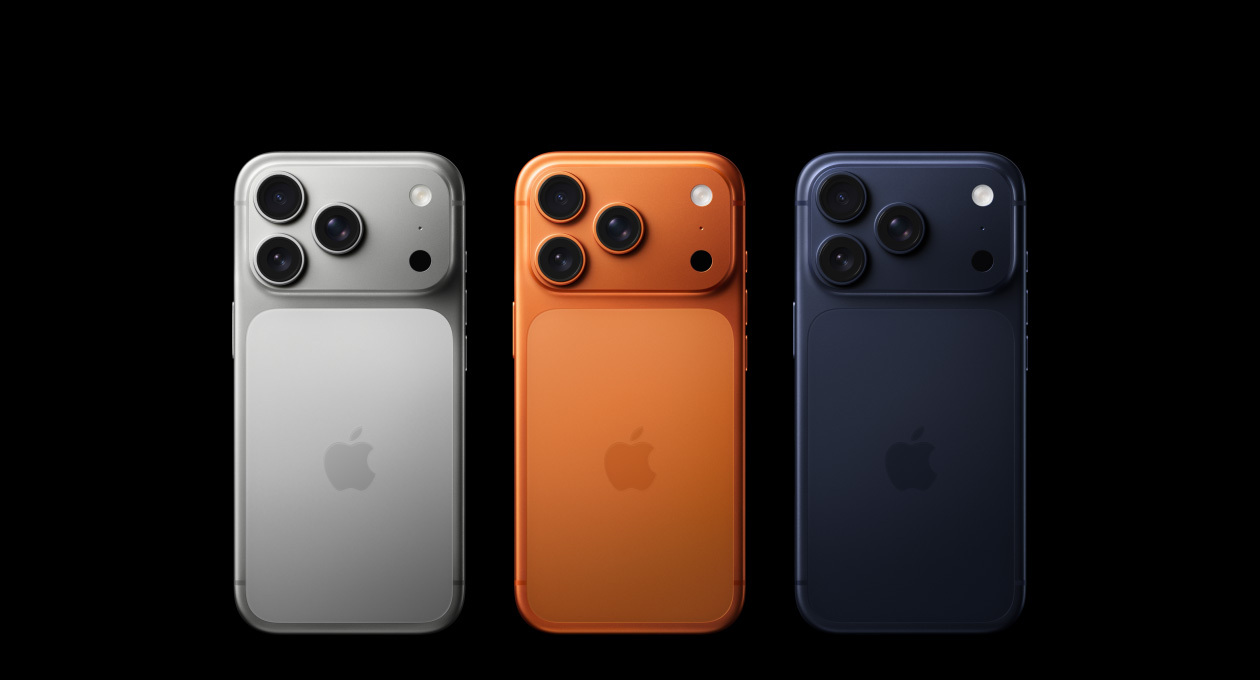
As a long-time Samsung loyalist who switched to Apple's ecosystem when the iPhone 13 series came out, no matter how much Apple users overrate the Apple devices, there's no denying that they lack some basic features, including some privacy ones, too.
Since the original iPhone and a few things here and there, Apple hasn't innovated anything. Now, don't take this the wrong way, on a chipset level and a few other things, Apple's hardware and software does standout, but they are too slow.
A good example would be the introduction of a 120 Hz display refresh rate, which they made available for base model iPhones with the iPhone 17 and not before.
Apple devices are known for privacy, and yet, up until now, we haven't seen something like Privacy Display from them. Samsung not only took the "world's first Privacy Display" title, but they also introduced a debut version with a lot of flexibility and use cases like hiding certain apps, certain types of notifications, etc.
As highlighted above, the Privacy Display has a more actual use than all the AI stuff and other gimmicks. And so, I would love to see Apple bring this feature to upcoming Apple devices.