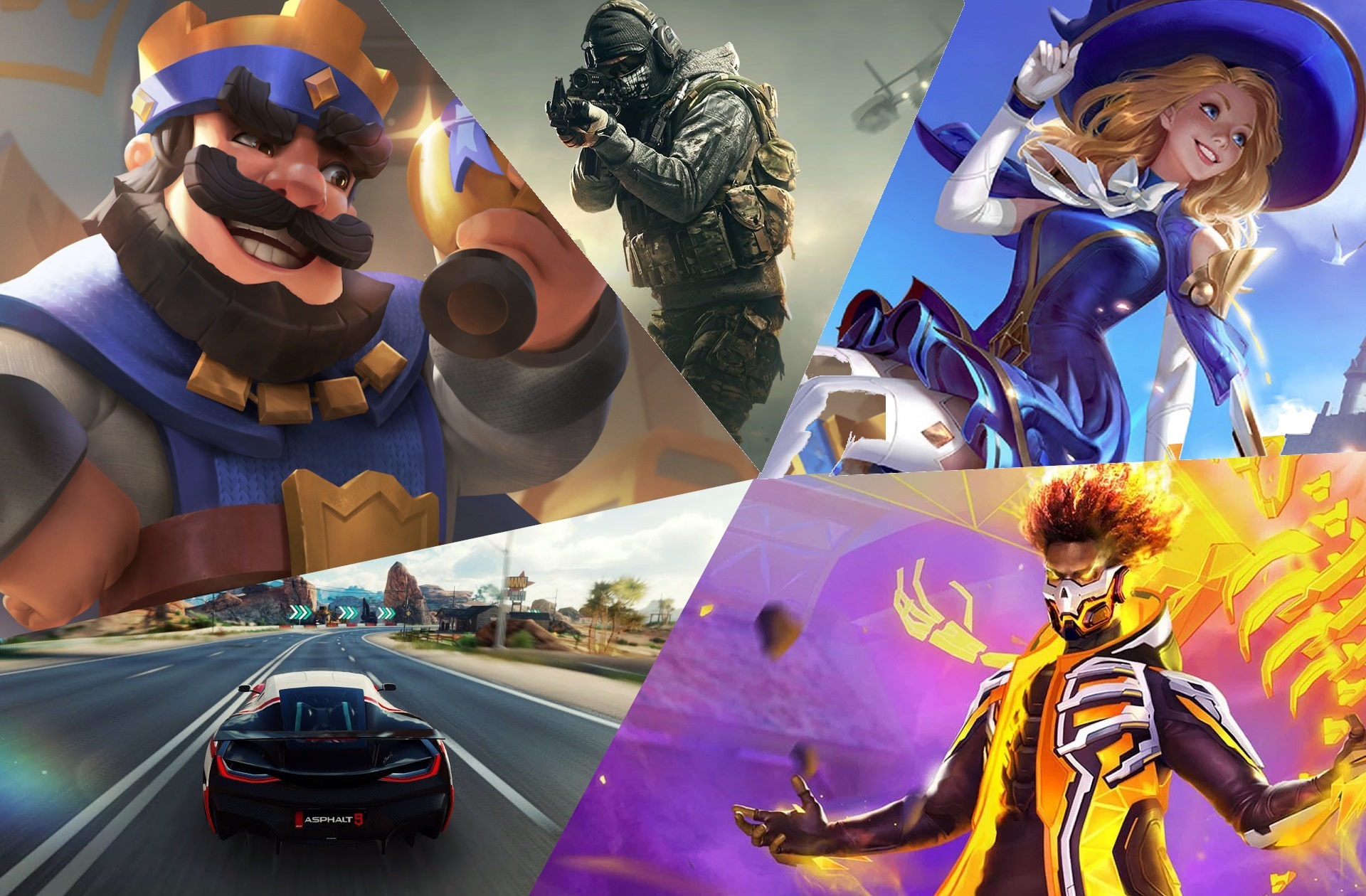
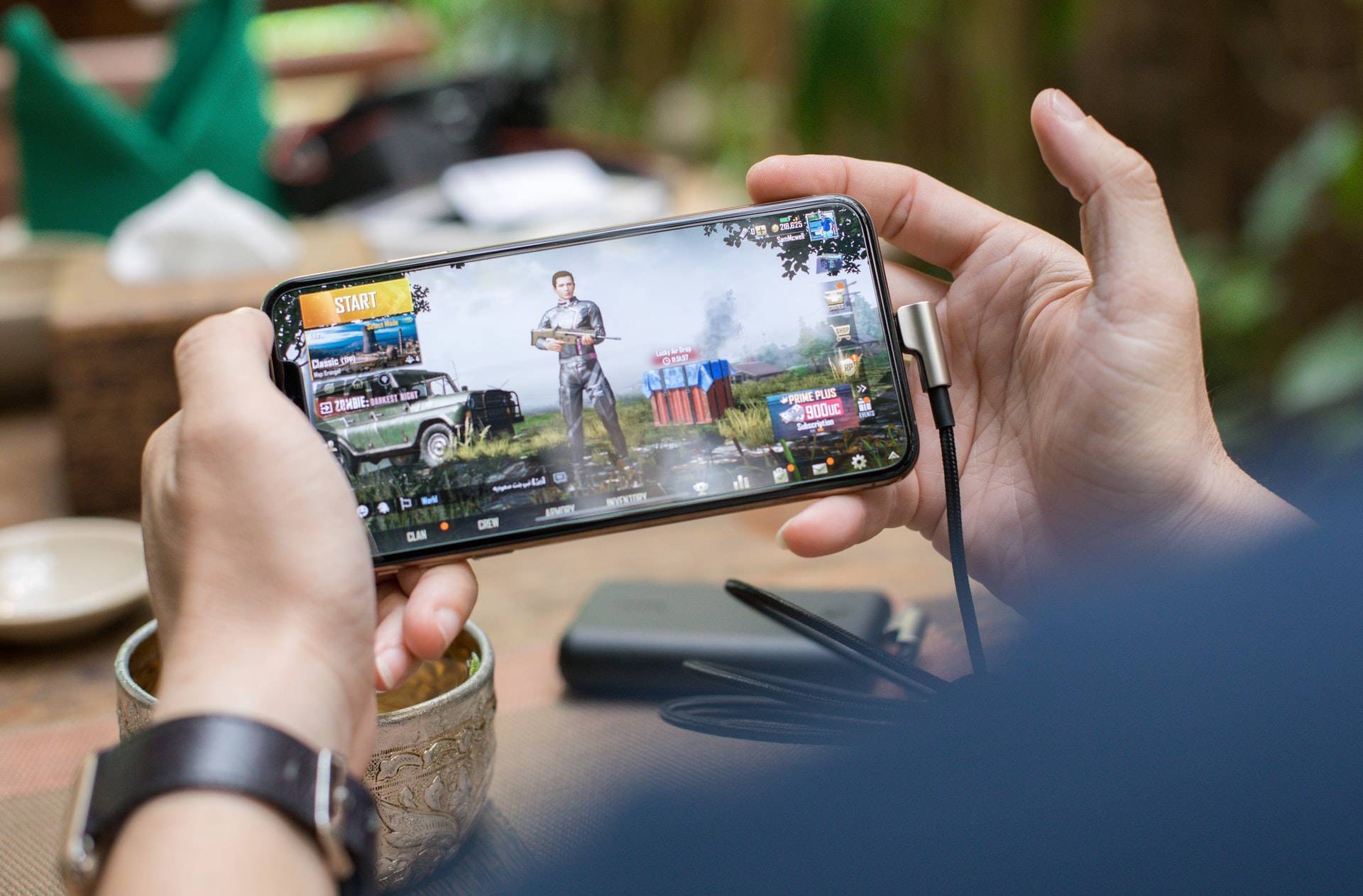


Not every mobile game gets to stay on top. Some games launch with big ideas, strong IPs, or even a ton of hype — only for them to get completely overshadowed by competitors that move faster, update more frequently, or just click more with players. Some of these games aren't bad either; they just faced bad timing or went up against a heavyweight title. That said, we'll be looking at 20 mobile games that had real potential but ultimately lost out to the competition.

20. The Elder Scrolls: Blades
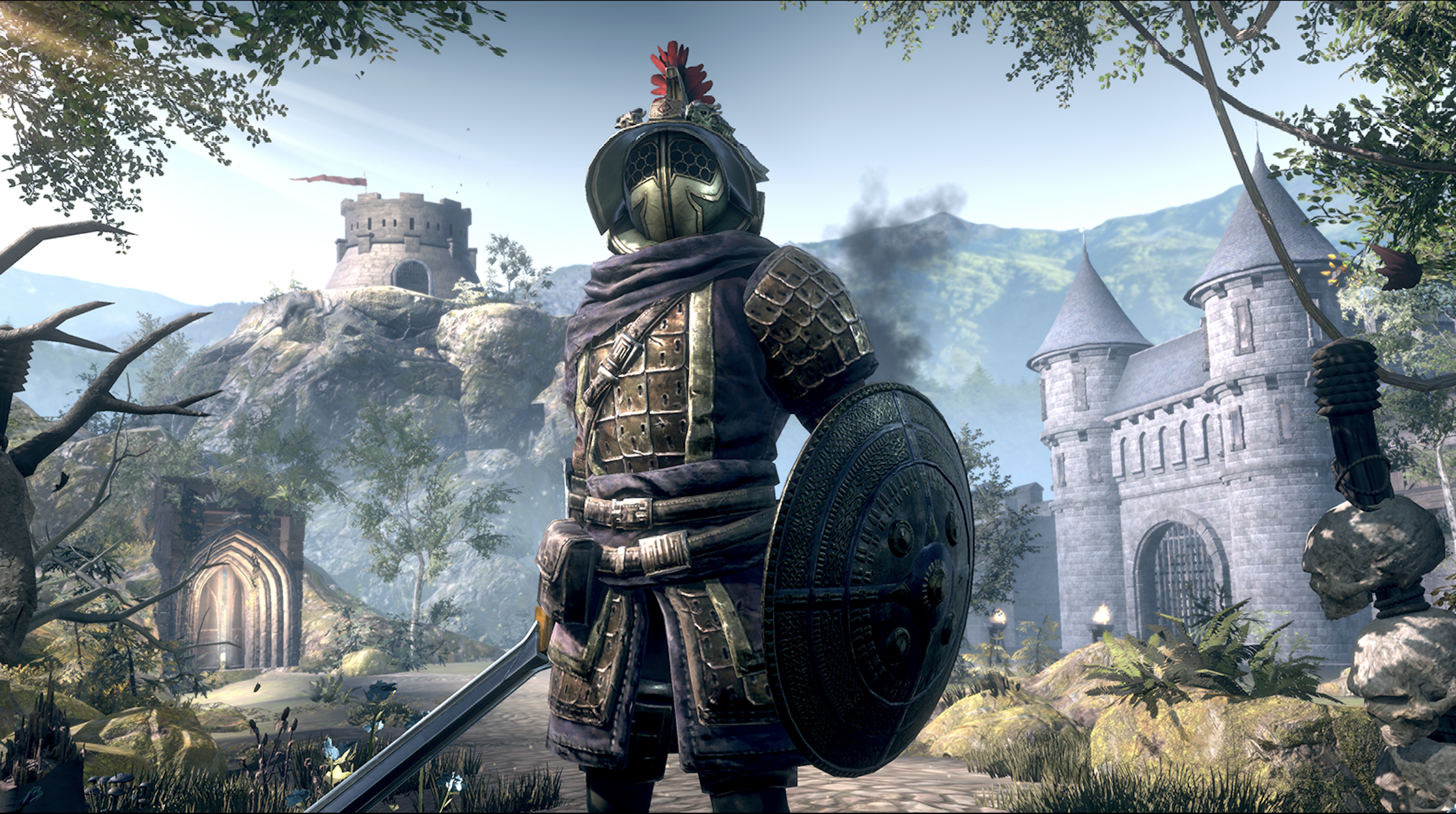
The Elder Scrolls: Blades brought Bethesda's famed action RPG series, The Elder Scrolls, to mobile, but its simplified mechanics and monetization issues held it back from achieving its true potential. Compared to more expansive RPGs like Genshin Impact and Warframe, the game felt limited, and it struggled to maintain long-term interest. The Elder Scrolls: Blades was launched in 2020, and Bethesda has since announced that it will be shutting down in mid-2026.
(Image Credit: Bethesda)

19. Rocket League Sideswipe
Rocket League Sideswipe simplified the core Rocket League formula into a 2D format that worked decently well on mobile. It had tight controls, short matches, and that same addictive gameplay that made the original title successful. But over time, the lack of meaningful updates, among other problems, made it hard for the game to compete with more aggressively supported mobile titles. It didn't lose to a direct clone per se, but rather to the broader ecosystem of multiplayer games that constantly evolve at a faster pace. Rocket League Sideswipe is still around today, but it's not as exciting a game as it used to be.
(Image Credit: Psyonix)

18. Terra Battle 2
Terra Battle 2 was the follow-up to the cult hit Terra Battle, created by famed designer Hironobu Sakaguchi. It kept the original’s grid-based combat style but tried to expand things with more complex systems and a heavier focus on online features. The problem was that it lost some of the charm and accessibility that made the first game stand out. On top of that, titles like Fate/Grand Order and Granblue Fantasy offered stronger live-service support and more compelling long-term hooks. Terra Battle 2 ultimately shut down in 2018 due to its flawed, high-difficulty design and its inability to compete with others.
(Image Credit: Mistwalker)

17. Artifact
Artifact was Valve’s attempt to take on card game giants like the World of Warcraft-inspired Hearthstone. The game had deep mechanics and a high skill ceiling, but its monetization model and complexity completely turned off casual players. Even a planned full reboot and development of a mobile version couldn’t save the game. Hearthstone remains far more accessible today, as it is constantly updated with new content and game modes.
(Image Credit: Valve)

16. Crossfire: Legends
Crossfire: Legends is a team-based shooter that had a strong presence in Asia for some time, but it couldn't compete globally with other heavyweights like Call of Duty: Mobile and PUBG Mobile. Despite solid mechanics, the game lacked the widespread appeal and ongoing support needed to stay competitive in the scene. Crossfire: Legends remains active today, yet it's clear that people have moved on from it.
(Image Credit: TiMi Studio Group)

15. Heroes of Order & Chaos
Heroes of Order & Chaos was an early MOBA pioneer on mobile that was launched in 2012. It had one big issue, and it was that it didn’t evolve as fast as its competitors. Other titles like Mobile Legends: Bang Bang and Arena of Valor continuously improved their gameplay and elevated their esports scenes to great heights. Unfortunately, that led to Heroes of Order & Chaos fading into obscurity. The game was officially shut down in 2023 as a result of its declining player base and a shift in Gameloft's strategic direction. It's a reminder that being the first game to do something doesn’t guarantee long-term success.
(Image Credit: Gameloft

14. SINoALICE
SINoALICE stood out thanks to its dark storytelling and the involvement of Yoko Taro, who's known for his unconventional narratives. The game had a unique aesthetic and co-op gameplay that built a loyal following, but it always felt like it existed on the fringes of the genre. Compared to larger-scale RPGs, it lacked the same level of content updates and mainstream appeal. Over time, player interest declined, and the game eventually shut down globally in 2024.
(Image Credit: Pokelabo)

13. Clash Mini
Clash Mini had a bunch of charm when it was first announced, as it was part of the hugely popular Clash universe from Supercell. The game aimed to take on auto-battlers like Teamfight Tactics but struggled to find its identity. Despite multiple reworks, it couldn’t quite nail progression or long-term retention. Meanwhile, other auto battlers refined their systems and kept players invested. Clash Mini was eventually cancelled in 2024, with Supercell stating that their "quality bar was not met even after all those improvements" they had made to improve the gameplay experience.
(Image Credit: Supercell)

12. Shadowgun War Games
Shadowgun War Games aimed to bring an Overwatch-style hero shooter to mobile. It had colorful characters, objective-based gameplay, and even a similar art style, but it couldn’t compete with the scale and polish of other shooters, such as Call of Duty: Mobile. A lack of consistent updates, low player retention, and persistent technical issues led to the game's shutdown in 2021.
(Image Credit: Madfinger Games)

11. DC Worlds Collide
DC Worlds Collide entered a crowded hero-collector market in 2025 that was dominated by games like Marvel Strike Force. Despite the DC branding and its extensive roster of familiar characters like Superman and Batman, the game failed to stand out in gameplay or progression systems. The game is still around today, but many in the community are worried about the game's longevity.
(Image Credit: Warner Bros.)

10. Seven Knights Idle Adventure
Seven Knights Idle Adventure tried to capitalize on the popularity of idle RPGs in the mobile scene with its flashy visuals and ties to the popular Seven Knights franchise. The game had smooth progression and plenty of rewards early on, but like many idle games, it struggled to keep players engaged long-term. Competitors such as AFK Arena offered more satisfying progression systems and more consistent updates. Over time, Seven Knights Idle Adventure faded into the background as many players gravitated toward more engaging titles.
(Image Credit: Netmarble)

9. Rules of Survival
Rules of Survival actually launched on mobile and other platforms before PUBG Mobile in some markets, which gave it an early advantage. But once PUBG Mobile officially arrived, it quickly took over the battle royale genre. Rules of Survival offered exciting multiplayer action, but it simply couldn’t keep up with updates and polish like other titles in the scene. The servers for Rules of Survival were closed in 2022 after a majority of its playerbase fled to newer titles.
(Image Credit: NetEase)

8. Legends of Runeterra
Legends of Runeterra was initially praised for its strategic gameplay and dedication to authenticity, given that the game is based on League of Legends. Inspired by Magic: The Gathering, it was slated as a strong competitor to Hearthstone. But despite critical acclaim, it struggled to match the sheer popularity and staying power of Blizzard’s card game. Hearthstone’s established player base and constant expansions kept it ahead, while Legends of Runeterra gradually lost momentum despite doing many things right. In 2024, Riot announced that they had adjusted the "size and scope of LoR to a team that is focused on sustainably making the game you love." The game hasn't really been the same since.
(Image Credit: Riot Games)

7. Rogue Company Elite
Rogue Company Elite was meant to bring the tactical team-based gameplay of its PC and console counterpart to mobile. It had hero abilities, objective-based modes, and a fairly polished presentation during testing phases. But it entered a market already dominated by giants, which offered more content, better support, and more frequent updates. Rogue Company Elite never fully launched globally, and interest faded before it could establish itself. In the end, it wasn’t a bad game — it just arrived too late to a space that already had clear winners.
(Image Credit: Hi-Rez Studios)

6. Durango: Wild Lands
Durango: Wild Lands delivered a unique survival experience with dinosaurs, an expansive open world, and deep crafting systems. But its complexity and grind made it hard to compete with more accessible survival games. Mobile games like ARK: Ultimate Mobile Edition captured a larger audience, which led to the downfall of Durango: Wild Lands. The game officially shut down in late 2019 due to its failure to meet players' expectations and messy launch.
(Image Credit: What! Studio)

5. Dragalia Lost
Dragalia Lost built a loyal fanbase with its real-time combat and impressive action RPG gameplay. It manage to build a sizable playerbase, with many enjoying the kingdom of Alberia and the dragons that occupy the world. But, despite its quality, the game struggled to compete with juggernauts like Honkai Star Rail, which offered a much larger world and regular updates. Dragalia Lost eventually shut down in 2022, leaving behind a strong legacy but also proving that even beloved games can lose out when competitors operate on a much bigger scale.
(Image Credit: Cygames / Nintendo)

4. Marvel Future Revolution
Marvel Future Revolution was an action-packed game that had the backing of a massive IP and its ambition of creating a game with a vast open world, but its monetization and grind pushed many players away. Meanwhile, other RPGs like Genshin Impact set a higher standard for the genre, leaving Marvel Future Revolution unable to compete long-term. The game eventually closed its doors in mid-2023 after it experienced dwindling player interest and a reduction in update frequency.
(Image Credit: Netmarble)

3. Vainglory
Vainglory was once considered the gold standard for mobile MOBAs, as it had extremely deep mechanics and stunning visuals. However, it was eventually overtaken by Mobile Legends: Bang Bang and Arena of Valor, which offered faster matches and more accessible gameplay. Ultimately, it was Vainglory's complexity that became its downfall as most players favored quick, casual sessions at the time.
(Image Credit: Super Evil Megacorp)

2. Warhammer 40,000: Lost Crusade
Warhammer 40,000: Lost Crusade had the backing of a massive franchise and leaned heavily into base-building and large-scale battles. While the game appealed to fans of the fantasy Warhammer universe, it struggled to stand out in a genre packed with heavy hitters. Games like Rise of Kingdoms and State of Survival offered more refined systems and broader appeal. Warhammer 40,000: Lost Crusade ended up feeling like just another entry in a crowded field, rather than a unique must-play strategy experience. The game was closed in early 2024.
(Image Credit: Orca Games)

1. Apex Legends Mobile
When Apex Legends Mobile launched, it looked like it might finally give Call of Duty: Mobile and PUBG Mobile a real fight in the shooter genre. The gunplay was slick, the Legends system translated surprisingly well to mobile, and the game, as a whole, felt like a premium experience. But despite a strong early reception from the community, it struggled to maintain momentum, especially with content updates and long-term support. Meanwhile, its competitors kept evolving at a faster pace, constantly introducing new modes, events, and collaborations. Apex Legends Mobile ended up shutting down in 2023.
(Image Credit: Respawn Entertainment)
Not every mobile game gets to stay on top. Some games launch with big ideas, strong IPs, or even a ton of hype — only for them to get completely overshadowed by competitors that move faster, update more frequently, or just click more with players. Some of these games aren't bad either; they just faced bad timing or went up against a heavyweight title. That said, we'll be looking at 20 mobile games that had real potential but ultimately lost out to the competition.