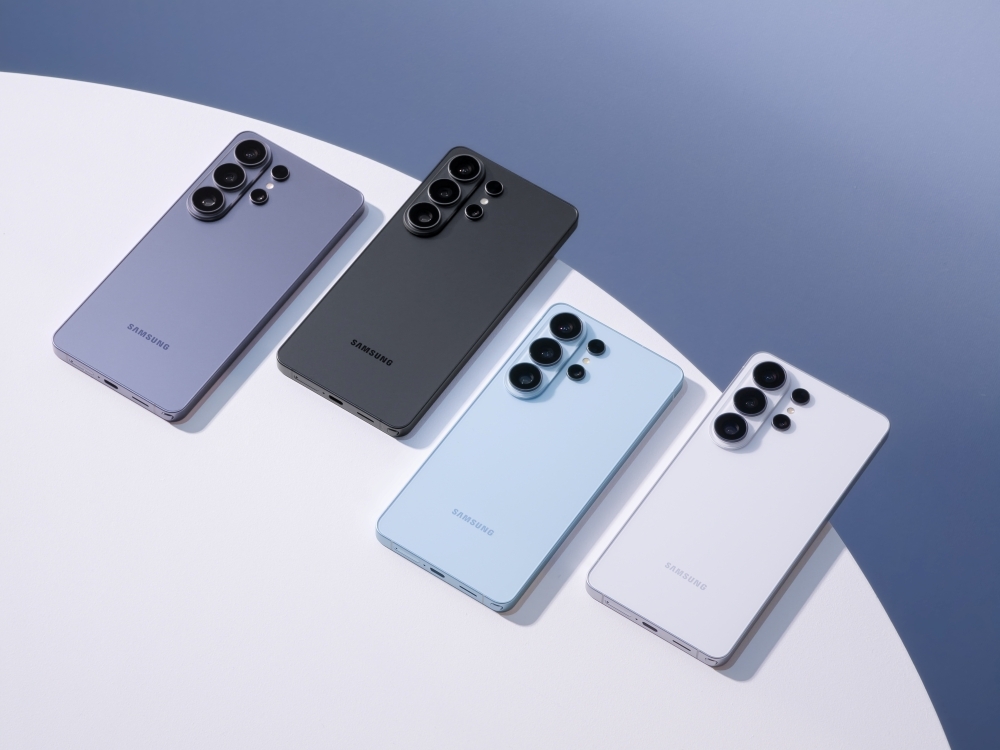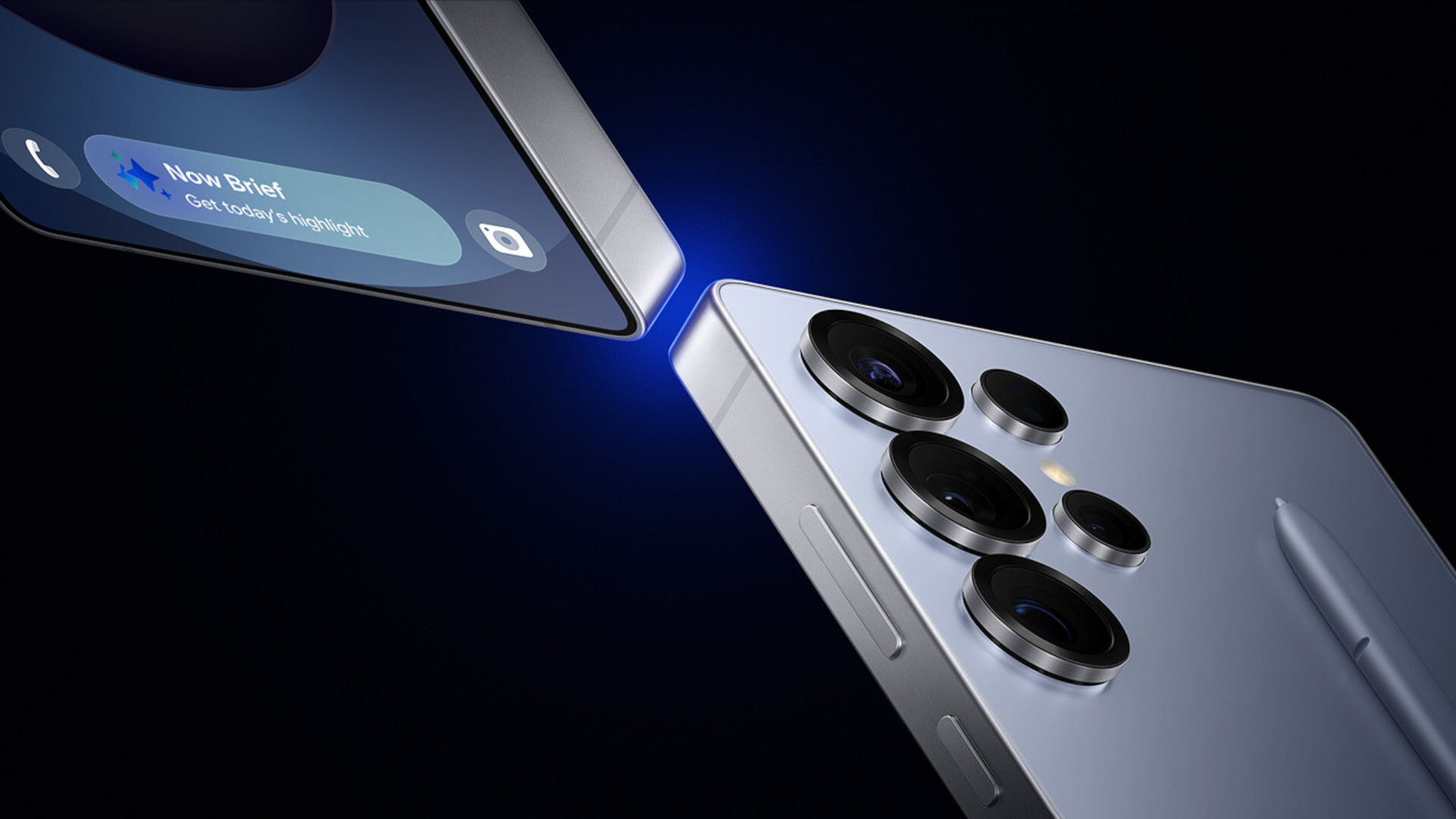

Everybody's talking about Samsung's revolutionary new privacy screen feature in the Galaxy S26 line, but the South Korean tech giants have constantly been developing their smartphones over the years. That said, here's a look at the most game-changing features Samsung has introduced over the years that didn’t just improve its phones but helped redefine the modern smartphone experience.
20 Phone Features That Prove Samsung Has Always Been Ahead of the Curve
Samsung is constantly evolving...

20. S Pen
When Samsung first launched the Galaxy Note in 2011, people laughed at the giant screen and built-in stylus. After some time, people realized the S Pen wasn’t just a marketing gimmick, but something useful. It offered pressure sensitivity, air gestures, remote camera control, and real handwriting recognition through a wireless digital pen. Since its introduction, the S Pen has turned Samsung's phones into hugely useful productivity tools.
(Image Credit: Samsung)

19. Samsung DeX
DeX, a contraction of "Desktop eXperience," allows you to plug your phone into a monitor to get a desktop-like experience. DeX blurred the line between smartphone and PC, offering windowed apps, keyboard and mouse support, and serious productivity potential.
(Image Credit: Samsung)

18. Edge Panels
Samsung turned the sides of their displays into a functional shortcut hub for apps, tools, contacts, and even live notifications with their Edge Panels. It was an early attempt at making big phones easier to navigate with one hand and with as few gestures as possible.
(Image Credit: Samsung)

17. Multi-Window
Samsung brought true multitasking, in the form of split-screen functionality, to Android before it was native. With it, you can perform various tasks, such as watching YouTube while replying to messages, simultaneously. It was a major factor in helping push Android toward more desktop-like flexibility. Nowadays, the Multi-Window feature allows you to adjust the size of the tabs to your liking.
(Image Credit: Samsung)

16. Wireless PowerShare
Wireless PowerShare essentially makes your Galaxy phone a mini charging pad. Forgot your earbuds charger? Misplaced your wearable charger? No problem. It's one of those features that has become incredibly useful in today's world when everything is wireless.
(Image Credit: Samsung)

15. Super AMOLED Display
Vibrant colors and energy efficiency? Sign me up. The Super AMOLED Display was a game-changer when it was first introduced in the early 2010s. Samsung’s display tech consistently pushed visual quality forward at the time, and it made smartphones feel premium long before competitors caught up.
(Image Credit: Samsung)

14. AR Emoji
AR Emoji is essentially Samsung’s playful take on 3D avatars. While results varied, it pushed forward facial tracking and animated personalization on mobile.
(Image Credit: Samsung)

13. Iris Scanner
The Iris Scanner is certainly one of Samsung's boldest biometric experiments to date. Instead of fingerprints, Samsung scans your eyes for security. It's a futuristic tool that is occasionally finicky, but undeniably ambitious. We don't think it has caught on with many users, as many still prefer the fingerprint scan and the reliable PIN security.
(Image Credit: Samsung)

12. Health Ecosystem
Samsung turned its phones into health hubs with the Health Ecosystem. It synced with wearables to track steps, heart rate, sleep, stress levels, and workouts in one unified platform.
(Image Credit: Samsung)

11. Galaxy Fold
While not exactly a "feature," the Galaxy Fold deserves an inclusion in this list. When Samsung first unveiled it, it was redefining what a smartphone could be. The book-style foldable design transformed from a compact phone into a tablet-sized display in seconds. While the first generation had its list of problems, the Fold marked the beginning of the foldable era and proved that Samsung was willing to experiment where others hesitated.
(Image Credit: Samsung)

10. Space Zoom
Samsung leaned hard into zoom photography ahead of the 2020s. While the marketing for Space Zoom was ambitious, the underlying periscope lens technology — that can zoom in by up to 100x — genuinely expanded what smartphone cameras could capture at a distance. It may not be so useful for everyday use, but it won't disappoint when you need it.
(Image Credit: Samsung)

9. Modes and Routines
With Modes and Routines, you'll find automation built directly into your phone. It can lower brightness at night, switch to silent at work, or turn on Wi-Fi when you get home — all automatically. It's great for those who abide by their routines without compromise.
(Image Credit: Samsung)

8. Samsung Pay
Before NFC was everywhere, Samsung Pay worked with traditional magnetic stripe terminals using MST. That meant you could tap-to-pay almost anywhere, which made things extremely convenient if you want to travel light or don't have any physical cash on you.
(Image Credit: Samsung)

7. Ultra Wideband
Ultra Wideband (UWB) allowed precise spatial awareness between devices. It improved file sharing, device tracking, and laid the groundwork for smart home integrations and digital keys. It operates at very high frequencies that allow for accurate directional data.
(Image Credit: Samsung)

6. One UI
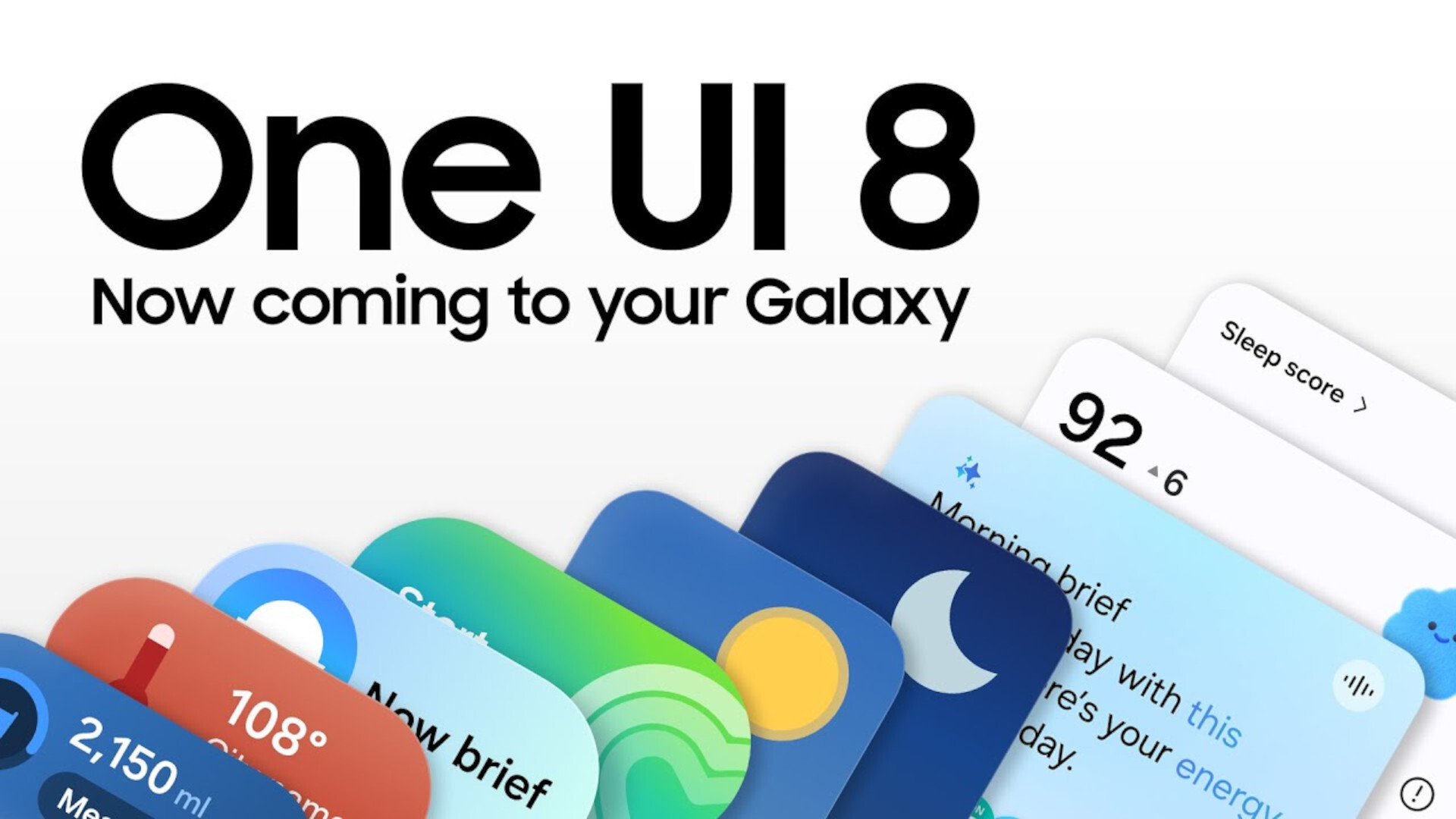
Samsung redesigned its entire interface around usability with the introduction of One UI. The result was large headers, bottom-aligned controls, and, overall, cleaner visuals that made their massive phones far more comfortable to use for everyone.
(Image Credit: Samsung)

5. AI Scene Optimizer
Samsung’s camera utilized its in-built AI Scene Optimizer to begin recognizing scenes of all kinds in real time — food, landscapes, pets — and adjusting color, brightness, and contrast automatically for better results.
(Image Credit: Samsung)

4. Night Mode Photography
Low-light photos became dramatically brighter and sharper thanks to the multi-frame processing that came with Night Mode Photography. Since its introduction, it changed many people's expectations for what is possible with nighttime smartphone photography.
(Image Credit: Samsung)

3. In-Display Fingerprint Scanner
Removing the physical sensor kept Samsung's phone designs clean while maintaining (and even improving) biometric security. The in-display fingerprint scanner feels futuristic and helped normalize under-display tech.
(Image Credit: Samsung)

2. Bixby Vision
With Bixby Vision, all you have to do is point your camera at an object, landmark, or text, and get contextual information instantly. It blends augmented reality with AI-driven search seamlessly.
(Image Credit: Samsung)

1. Infinity Display
Samsung pioneered Infinity Display in smartphones. The subtle curve made the phone feel slimmer in the hand while enabling Edge Panels for quick access to apps, contacts, and notifications. It blended hardware design with software functionality incredibly well. Though it doesn't appear to be Samsung's priority in recent phone releases, it still stands to show as the company's boldest and most stylish design decisions.
(Image Credit: Samsung)
Everybody's talking about Samsung's revolutionary new privacy screen feature in the Galaxy S26 line, but the South Korean tech giants have constantly been developing their smartphones over the years. That said, here's a look at the most game-changing features Samsung has introduced over the years that didn’t just improve its phones but helped redefine the modern smartphone experience.