
Smartphones have come a long way, but not every "upgrade" is as game-changing as it sounds. Brands love to throw around big numbers, flashy buzzwords, and futuristic features to grab attention. But, in day-to-day use, a lot of these additions don't actually make your life any easier. Some are barely noticeable, others are straight-up gimmicks, and a few just create more problems than they solve.
10 Smartphone Features That Are Completely Overrated
These aren't exactly the best features to have been launched...

10. Ultra-Thin Designs
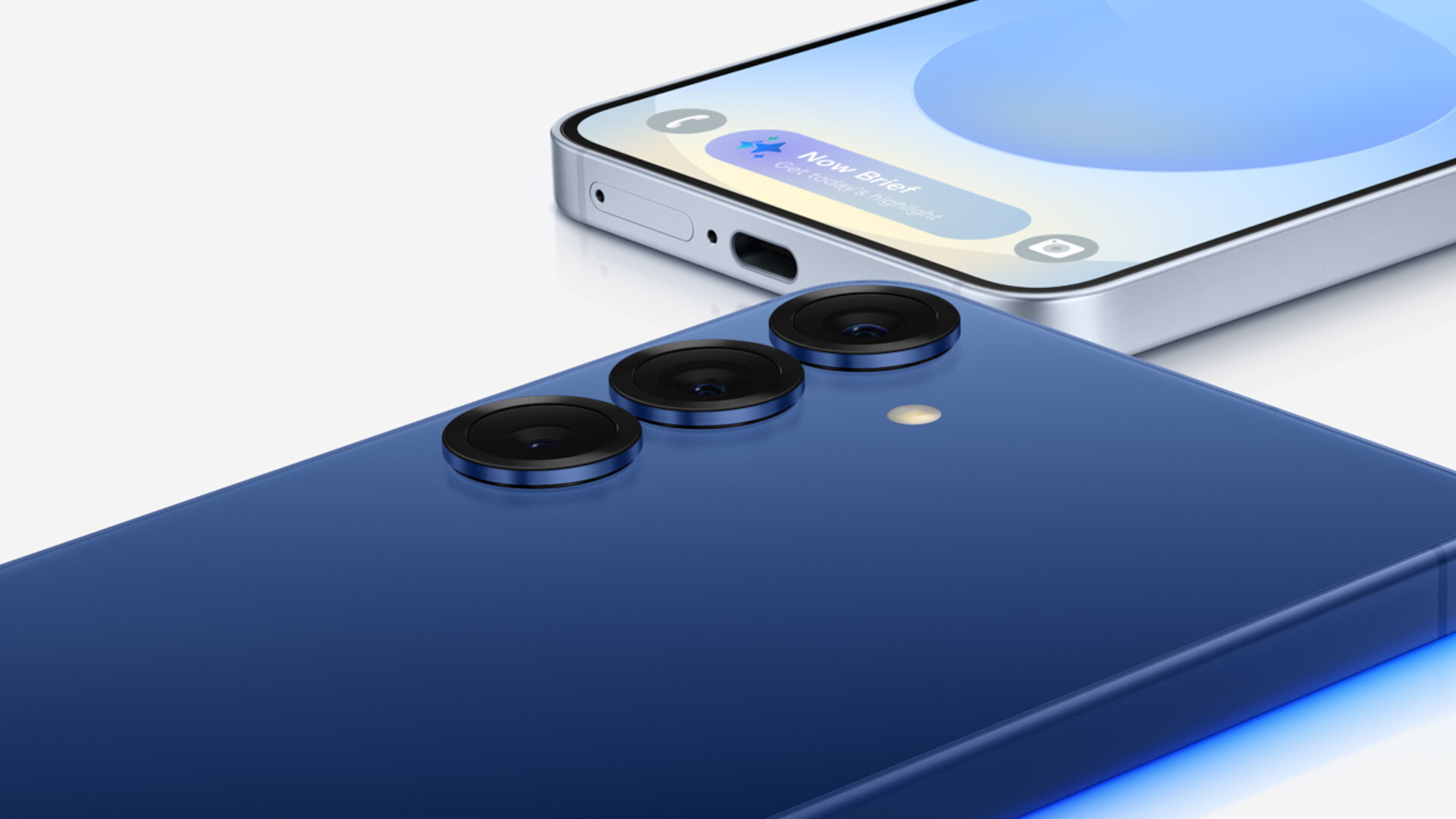
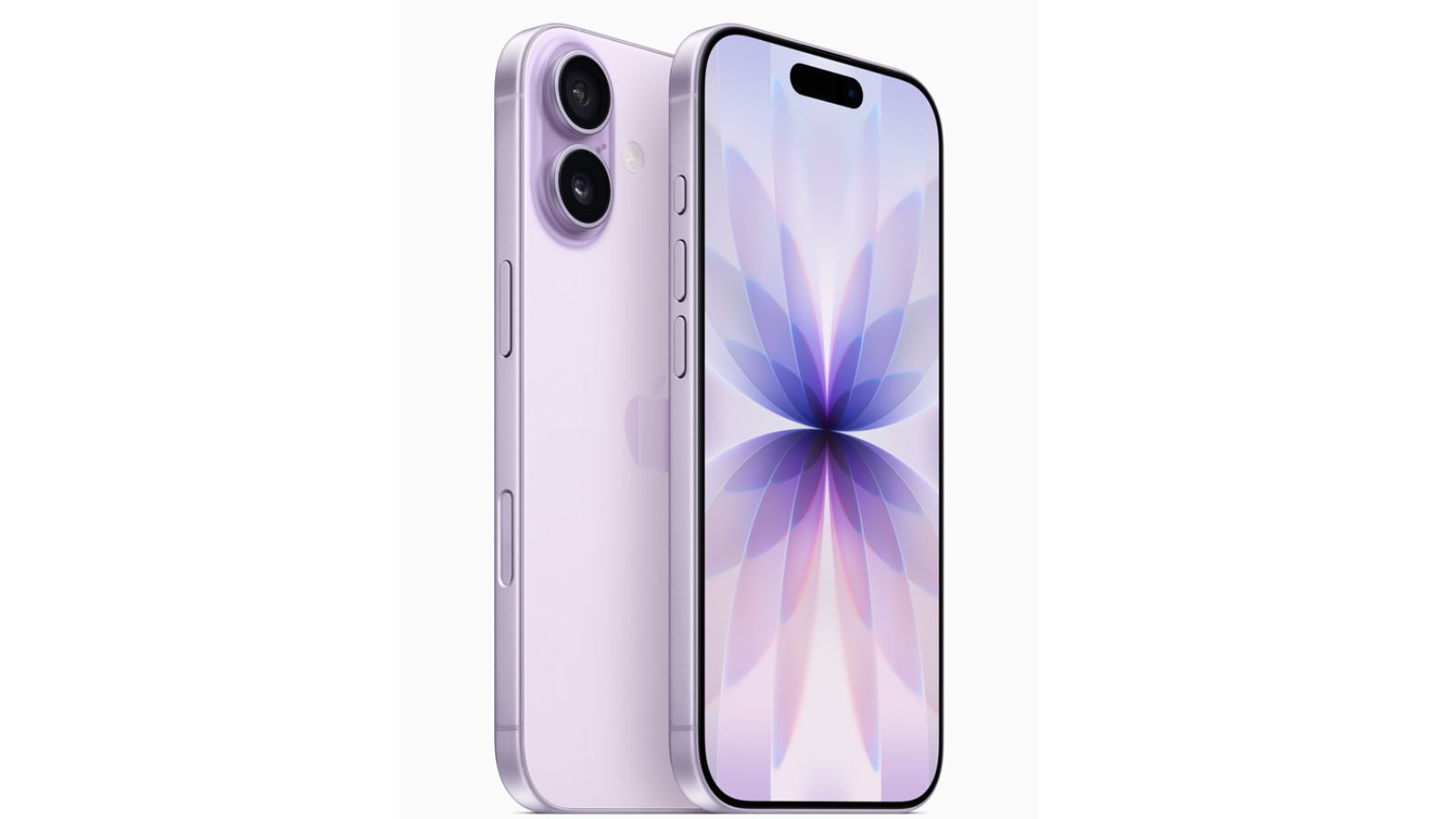
Super-thin phones look elegant, but ultra-thin designs often sacrifice battery life, durability, and other key hardware specs. Many people would gladly accept a slightly thicker phone if it meant longer battery life and a longer list of features. Thinness is nice, but it's not everything. It's more of a novelty if you ask us. For example, the iPhone Air is extremely impressive up front, but a regular iPhone 17 is probably more practical (and cheaper) for everyday use.
(Image Credit: Apple)

9. Gaming Modes
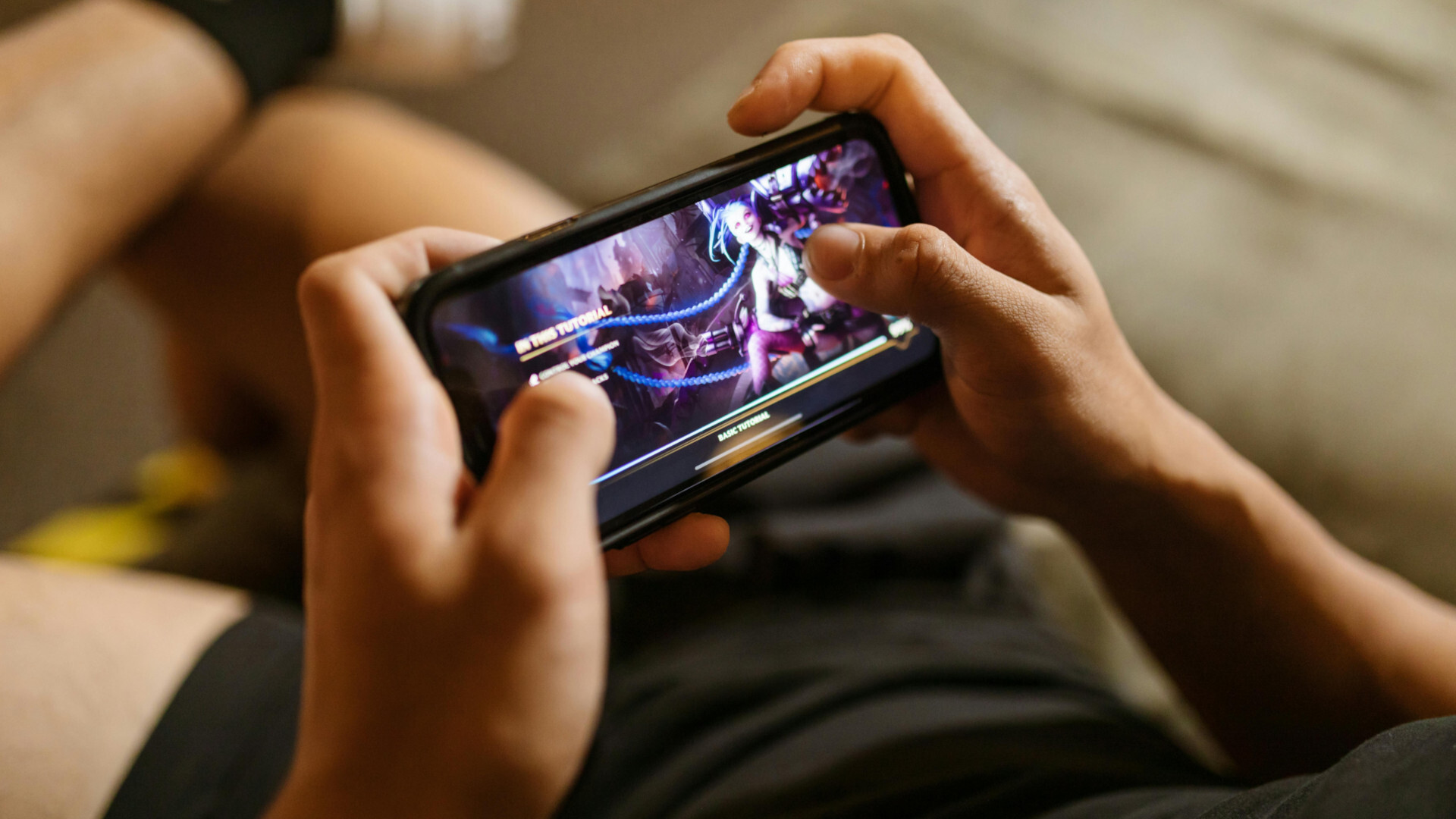
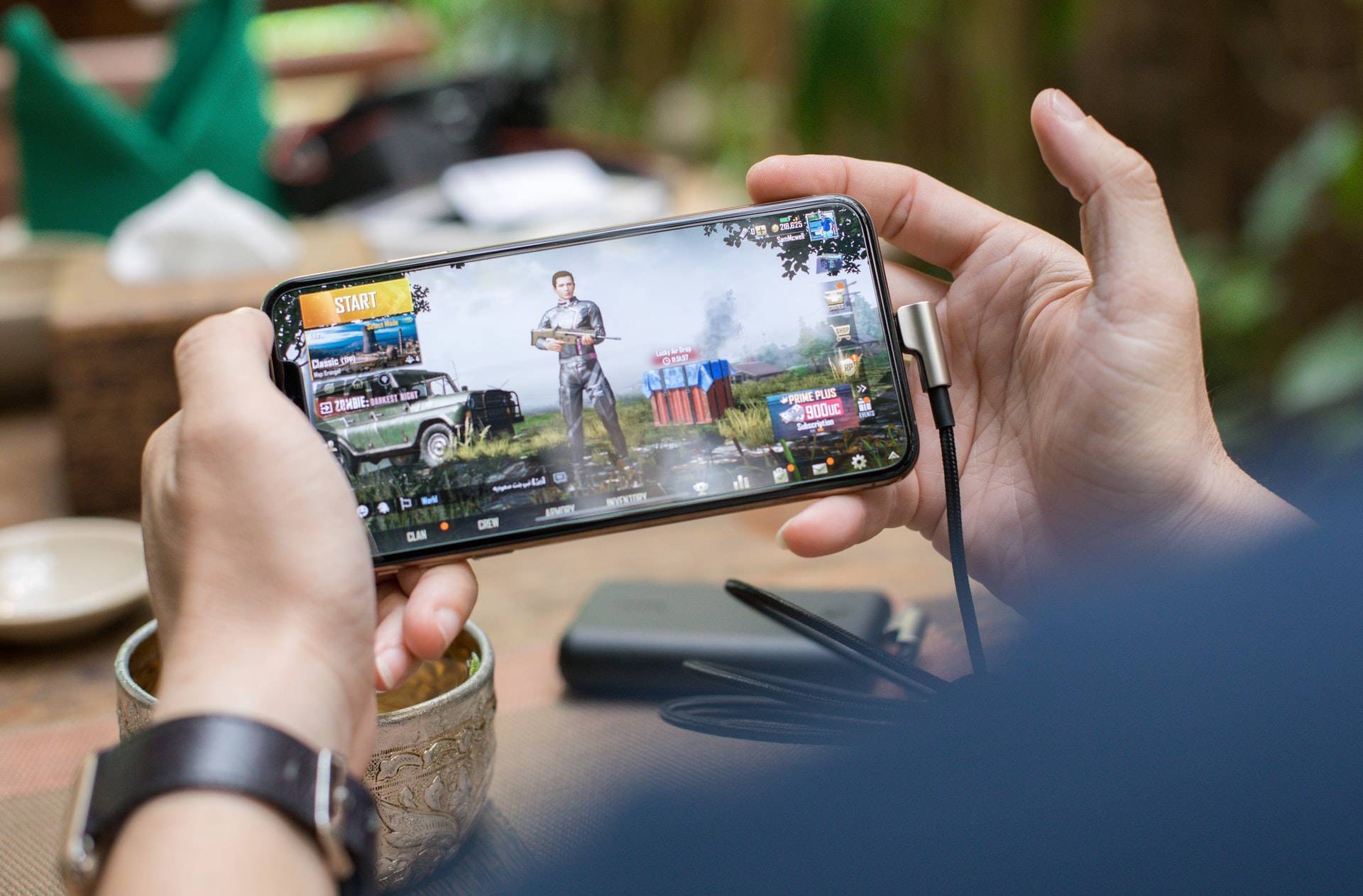
Most gaming modes promise better performance and fewer distractions, but in reality, they mostly just block notifications, prevent accidental touches, and tweak minor settings. They don't magically boost your phone's hardware performance in any meaningful way.
(Image Credit: Samsung)

8. Reverse Wireless Charging
The idea of charging your earbuds or another phone with your device sounds cool, but in practice, reverse wireless charging is generally quite slow and drains your battery quickly. Most people try it once and forget the feature actually exists. It's more of a gimmick than a daily-use feature. When it comes down to it, most people would much rather use a power bank if they need to charge something on the go.
(Image Credit: Samsung)

7. Air Gestures
Air gestures let you control your phone without touching it by enabling your device to recognize hand movements in front of the screen. While it feels futuristic, it's usually slower and less reliable than just tapping the screen. We know it can be useful, especially in situations where touching the screen may be impossible or unhygienic. Still, those situations are rare. Most people try air gestures once, realize it's more hassle than help, and never use it again.
(Image Credit: Honor)

6. Smart Assistant Buttons
Dedicated smart assistant buttons for launching voice assistants might seem convenient on paper, but they're often accidentally pressed and rarely used intentionally. Many users end up remapping or disabling them entirely. It's a feature that sounds helpful but doesn't naturally fit into how people actually use their phones.
(Image Credit: Samsung)

5. AI Camera Enhancements
AI-powered photography sounds cutting-edge, but a lot of it just means aggressive processing in the form of oversharpening, boosted colors, and unrealistic HDR. Sure, it makes photos pop on social media, but it often sacrifices natural detail and accuracy in the process. Tech influencer Marques Brownlee has regularly talked about the idea of a "true image" regarding AI-enhanced photos and how AI has shifted from capturing reality to enhancing or synthesizing it. We can't help but agree with the sentiment since it does feel like AI's presence in smartphone photography has limited use outside of adjusting a few parameters to fit the idea of a "perfect" photo.
(Image Credit: Samsung)

4. Glass Backs
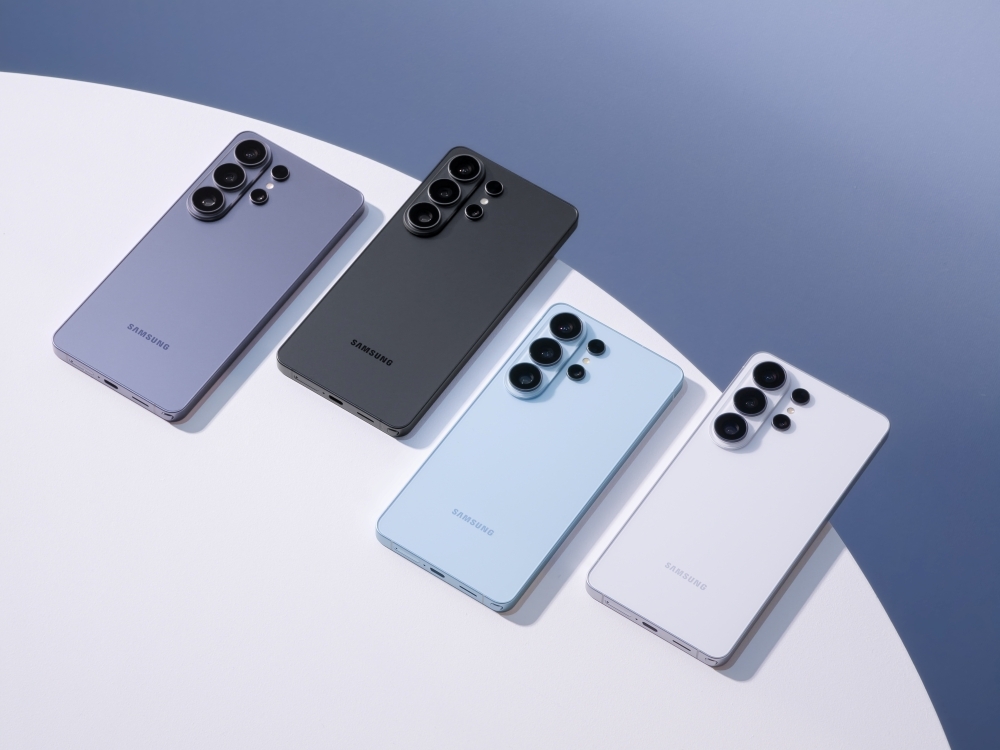
Glass backs can add a rather premium touch to mobile devices, but it's glass at the end of the day. They're extremely fragile and prone to leaving fingerprint marks. And that's only if people decided to use the phone immediately out of the box. Most people end up putting a case on their phone anyway, which completely negates the aesthetic benefit of the glass back. If you ask us, it's a design choice that looks great in ads but not in real life.
(Image Credit: Google)

3. Curved Displays
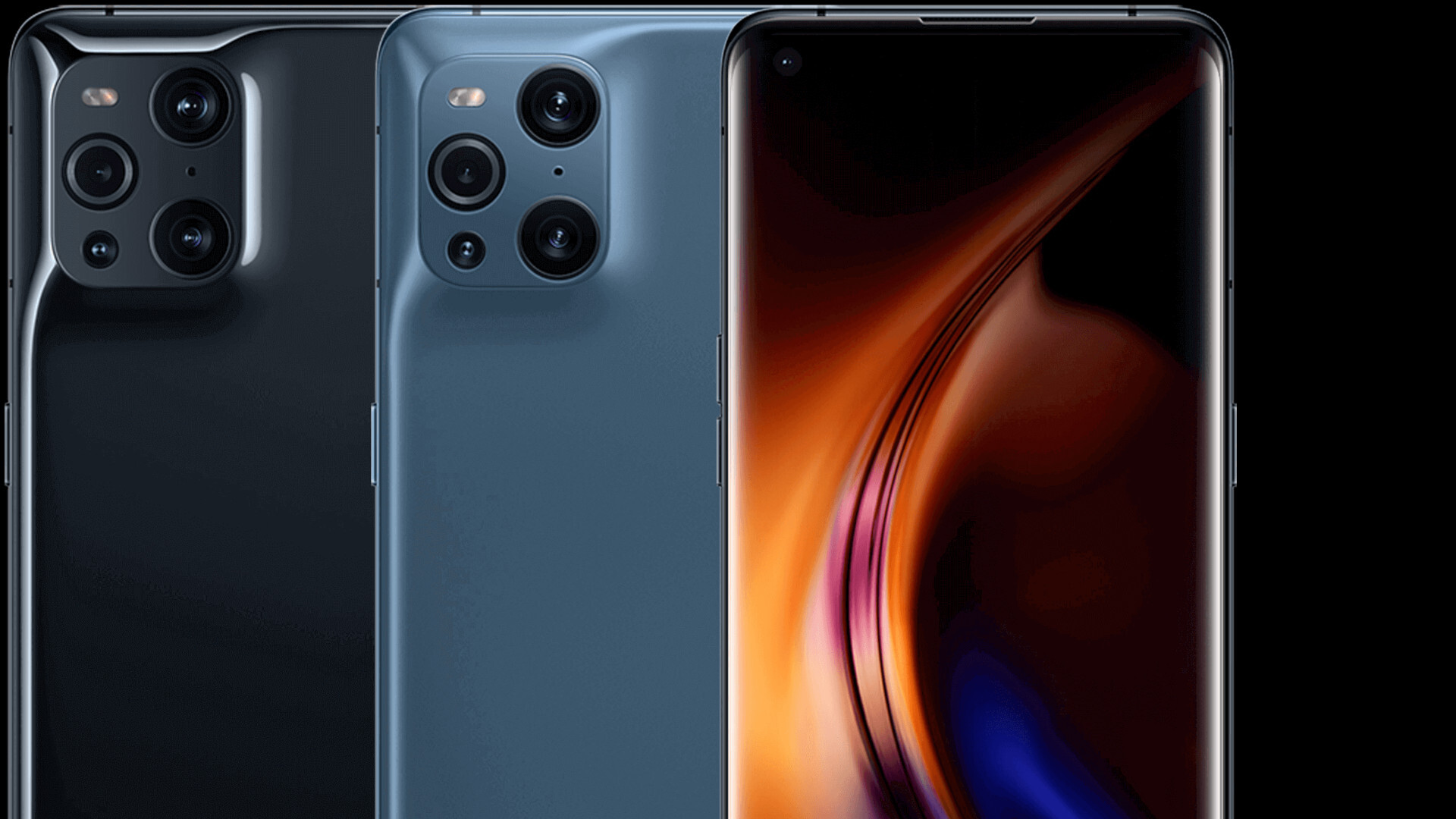
We'll admit that when curved screens were debuted in the 2010s, we thought that they looked incredibly sleek and futuristic. However, you'll notice a few problems with them once you start using the screen regularly. Accidental touches, a somewhat annoying glare that can appear at the curved edges, and limited screen protector options make them far less practical than completely flat displays. Ultimately, it's a design choice that prioritizes aesthetics over usability.
(Image Credit: Samsung)

2. Periscope Zoom
Periscope lenses that promise 50x or even 100x zoom (or really anything above 10x zoom) sound impressive, but the results at those extreme levels are often borderline unusable. Images get noisy, shaky, and overly processed, making this feature more of a novelty than an actual practical tool. Most people will rarely go beyond 5x–10x zoom in real-world situations anyway.
(Image Credit: Samsung)

1. Foldable Screens
This might be a hot take, given their promising evolution over the years, but foldables are overrated in our opinion. They're innovative, no doubt — but they’re still expensive, fragile, and not fully optimized in terms of apps and durability. The notable crease at the centre of the fold is a turn-off. It can be quite heavy, and the high price tag makes it more of an enthusiast product than a practical choice for most users. That said, Samsung's latest foldables, especially the Galaxy Z Fold7, nearly changed our minds.
(Image Credit: Samsung)
Smartphones have come a long way, but not every "upgrade" is as game-changing as it sounds. Brands love to throw around big numbers, flashy buzzwords, and futuristic features to grab attention. But, in day-to-day use, a lot of these additions don't actually make your life any easier. Some are barely noticeable, others are straight-up gimmicks, and a few just create more problems than they solve.